
How to Use Safelists Effectively in Your Email Funnel

Use Safelists Effectively funnel illustration with email icons

When you’re looking for free, targeted traffic to grow your online business, it’s tempting to blast out affiliate links and hope for the best. But if you want real results, you need to use safelists effectively—not just randomly.

Safelists are misunderstood by most new marketers. They’re not magic money machines, and they’re not junk traffic either. They’re a tool—one that can drive opt-ins, build your list, and feed your email funnel if used strategically.

This post will show you step-by-step how to use safelists effectively as part of a working email marketing system. No fluff, no hype—just the funnel-focused framework that gets results.

What It Really Means to Use Safelists Effectively

Most people use safelists wrong. They copy-paste an affiliate link, blast it to 10,000 people, and wait for the money to roll in. When nothing happens, they say safelists are a scam.

The reality? Safelists are just traffic. Cold traffic. People skimming emails for credits. If you want to convert them, you need to turn that cold traffic into warm leads—and that means running it through a funnel.

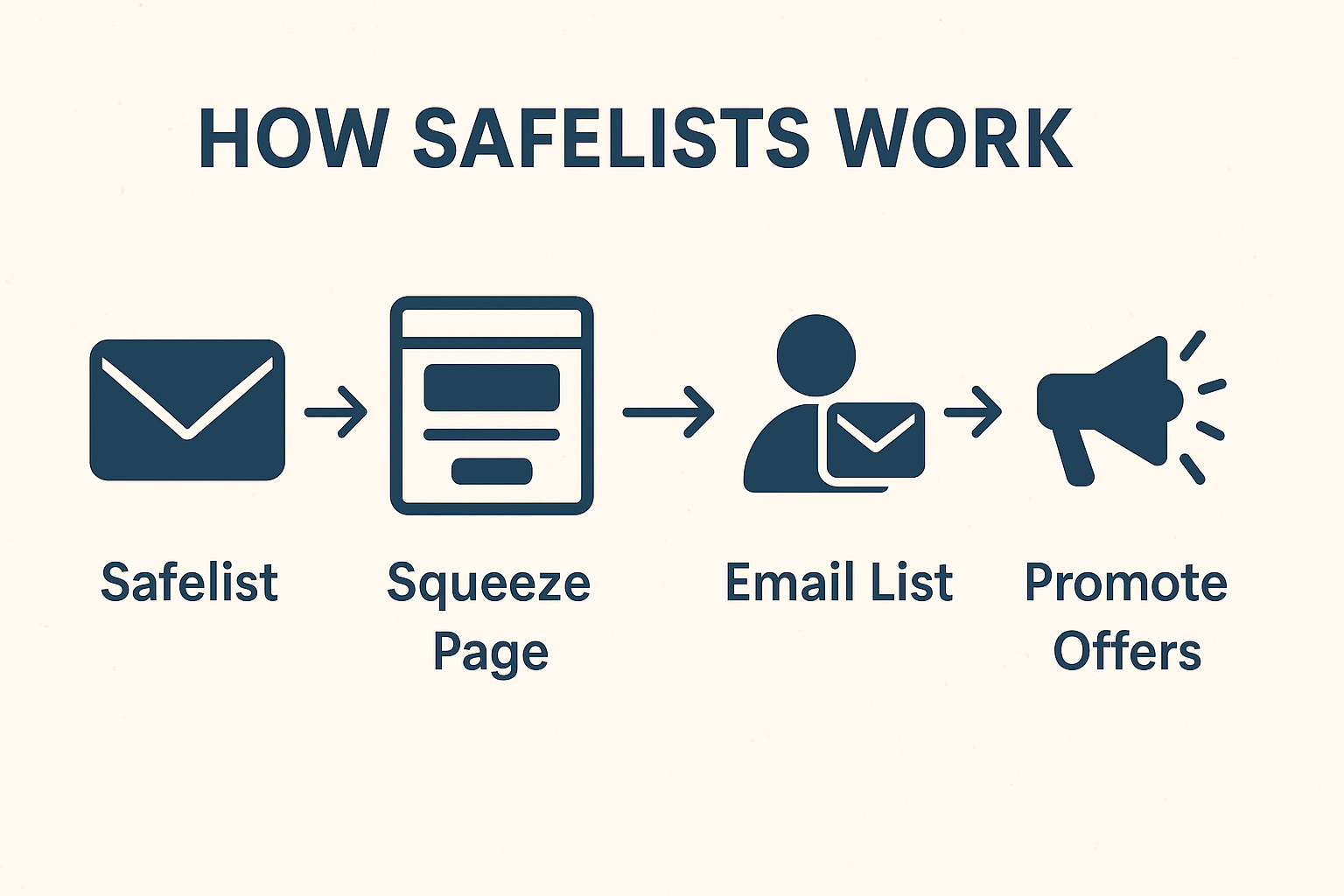
To use safelists effectively, your goal is to:

  • Get attention with a killer subject line
  • Send them to a squeeze page (not a raw link)
  • Offer a lead magnet to capture their email
  • Deliver value through an autoresponder sequence
  • Promote offers on the back end

That’s how you turn a click into a relationship—and a subscriber into a customer.

Step 1: Build a Squeeze Page That Converts

The first step to using safelists effectively is to send traffic to a squeeze page—not an offer page. A squeeze page is a simple landing page with a headline, bullet points, and an email opt-in form.

đź’ˇ Tips for Better Conversion:

  • Use a clear, benefit-driven headline
  • Offer a freebie (checklist, short guide, mini course)
  • Limit distractions—no menus or extra links
  • Use strong call-to-action buttons

If you’re just getting started, use a free tool like LeadsLeap to build your funnel. Their drag-and-drop builder is perfect for squeeze pages, tracking, and autoresponders.

Need help designing your opt-in page? Check out our post on how safelists work for a breakdown of the full funnel.

Step 2: Offer a Lead Magnet Worth Grabbing

People won’t give you their email address unless they get something in return. That’s where a lead magnet comes in.

âś… Effective Lead Magnet Ideas:

  • “Top 5 Mistakes to Avoid With Safelists” (PDF)
  • “7-Day Email Marketing Crash Course” (email series)
  • “Free Traffic Blueprint” (guide or checklist)

Your lead magnet doesn’t have to be fancy—it just has to solve a small, specific problem. And it should relate to the product or service you plan to promote later.

Step 3: Set Up Your Email Funnel

Now that you’re capturing leads, don’t leave them hanging. You need to follow up—and that’s where your autoresponder comes in.

Write a 5–7 day email series that:

  • Delivers the lead magnet on day one
  • Introduces you and builds credibility
  • Teaches something useful
  • Gently promotes an offer (or two)

This sequence turns cold safelist traffic into warm prospects who know, like, and trust you. That’s when they start clicking—and buying.

If you’re not sure what to write, we cover examples in Safelist Marketing Mistakes.

Step 4: Mail Smarter—Not Just More Often

Safelist platforms reward you for being active. But that doesn’t mean you should mail junk. To use safelists effectively, you need to stand out with quality and consistency.

✍️ Writing Better Safelist Emails:

  • Subject line: Use curiosity, numbers, and urgency
  • Body: Make it skimmable and benefit-driven
  • Link: Always direct to your squeeze page—not a raw affiliate link

For help writing better subject lines, see our guide on what newbies get wrong with safelists.

Step 5: Track Every Click and Optimize

If you’re not tracking, you’re guessing. And guessing is not marketing. Use a tracker like LeadsLeap to monitor:

  • Which safelists send the most traffic
  • Which subject lines get the best open rates
  • Which lead magnets convert best

Over time, you’ll build a data-driven safelist system that feeds your funnel automatically.

Best Practices to Use Safelists Effectively

As you dial in your strategy, keep these principles in mind:

  • Focus on building your list—not just getting clicks
  • Promote ONE lead magnet at a time
  • Mail consistently and improve gradually
  • Use multiple safelists, but don’t overwhelm yourself
  • Upgrade where it makes sense (better reach, less work)

If you’re just getting started, Choice4Profit is an ideal safelist to practice with. It’s beginner-friendly, credit-based, and supports both free and upgraded members.

Example: A Simple Funnel That Converts

Here’s what it looks like when you use safelists effectively with a basic funnel:

  1. Visitor sees your safelist email: “Free Guide: How I Got 57 Leads in 3 Days”
  2. Clicks and lands on your squeeze page
  3. Downloads your PDF checklist
  4. Receives a welcome email + Day 1 of your autoresponder
  5. Over the next few days, they get more tips and your offer
  6. They either join your list, buy your product, or both

This works 24/7—even if you’re away from the screen. That’s the power of pairing safelists with email funnels.

Final Thoughts: How to Use Safelists Effectively

Most people treat safelists like a junk drawer. But when you use safelists effectively with a real funnel behind them, they become a consistent, reliable source of leads and revenue.

Don’t treat them like a one-click payday. Treat them like the cold traffic source they are—and build the right system to warm them up.

Next Steps: Use Safelists the Right Way

The better your system, the more effective your safelist traffic becomes.

What Newbies Get Wrong With Safelists

Safelist Marketing Mistakes

When it comes to email advertising, safelist marketing mistakes can burn through your time and energy faster than a cheap autoresponder. A lot of new marketers jump into safelists thinking it’s just point-and-blast. But like any tool, safelists only work when used right.

If you’re not seeing results, there’s a good chance you’re falling into one (or more) of the most common safelist marketing mistakes. The good news? Every one of them is fixable—and by the end of this guide, you’ll know how.

Why Safelists Get Misused by New Marketers

Safelists are easy to join, free to use, and promising in theory. That’s exactly why they attract so many new marketers—and why so many get it wrong.

The biggest misunderstanding is that you can send out a few affiliate links, sit back, and wait for the cash to roll in. That’s not how any of this works. Safelists are not magic. They’re a source of targeted eyeballs—nothing more, nothing less.

Used correctly, they can feed your funnel, grow your email list, and help you test offers. Used wrong, they become a noisy inbox wasteland. Let’s dig into the worst offenders.

Safelist Marketing Mistake #1: Sending Raw Affiliate Links

This is the granddaddy of all safelist marketing mistakes. You’ve got an affiliate offer, you’re excited, and you want to promote it. So you paste your raw affiliate link into the body of your safelist message and hit send.

What happens next? Crickets. Or maybe a few clicks, but no leads. Why? Because nobody wants to click a cold, unbranded affiliate link from a stranger. You didn’t earn trust—and you didn’t capture any emails for follow-up.

đź”§ The Fix:

Always use a squeeze page with a lead magnet. Offer value first. Use LeadsLeap or another builder to create a clean opt-in page and capture leads before promoting your affiliate offer.

Still unsure how to structure this? Check out our post on how safelists work for the full traffic flow breakdown.

Safelist Marketing Mistake #2: Mailing Once and Quitting

Newbies often treat safelist marketing like a lottery ticket. They send one message, check stats for a day, and declare the whole thing a scam.

But safelist marketing is a numbers game. You need to mail consistently, test subject lines, tweak your copy, and build recognition over time. One email does not make a campaign.

đź”§ The Fix:

Set a schedule. Most safelists let you mail every 3–7 days (more often if you’re upgraded). Rotate headlines and track what gets clicks. Choice4Profit is a great starting point with flexible mailer access and solid tracking.

Safelist Marketing Mistake #3: Ignoring Subject Lines

Your subject line is the first (and maybe only) shot you get to grab attention. If you’re writing generic stuff like “Check this out” or “New Opportunity,” you’re blending into the noise.

This is one of the most common safelist marketing mistakes—and one of the easiest to fix.

đź”§ The Fix:

Test curiosity-driven subject lines. Try questions, numbers, brackets, or emotional triggers. For example:

  • “[WARNING] You’re Wasting Your Credits Unless You Do This First”
  • “Would You Click This Email If It Meant 247 New Leads?”
  • “How I Got My First 5 Sales From a Free Safelist”

Keep a swipe file. Rotate your headlines. And always track which ones work best.

Safelist Marketing Mistake #4: No Funnel, No Follow-Up

If you’re not collecting emails, you’re working way too hard for one-time traffic. Without an autoresponder sequence in place, even your best safelist leads are just ghost clicks.

Newbies often forget that safelist users are busy. They might be interested, but if you don’t follow up, they’ll forget you existed within 15 minutes.

đź”§ The Fix:

Use a funnel. Create a squeeze page > opt-in form > autoresponder sequence. Offer a lead magnet to boost signups. Then hit them with timed follow-ups.

We break down this process in our article: How to Use Safelists Effectively in Your Funnel.

Safelist Marketing Mistake #5: Not Tracking Anything

How many clicks did your last safelist ad get? How many leads? Which subject line worked better? If your answer is “I don’t know,” you’re flying blind.

This is one of the silent killers in safelist marketing. You might actually be getting results—you just have no idea what’s working.

đź”§ The Fix:

Use a link tracker like LeadsLeap or even Bitly. Create separate links for each safelist and campaign. Watch what gets clicked. Improve based on actual data, not hunches.

Safelist Marketing Mistake #6: Ignoring the Credit System

Most safelists operate on a credit model—you read emails to earn credits that let you send your own messages. But a lot of newbies don’t understand this and burn through their credits without realizing how to replenish them.

đź”§ The Fix:

Read emails daily to bank credits. Refer new members to earn bonuses. Consider upgrading on high-performing safelists so you can mail more often without spending time clicking.

Choice4Profit has one of the most generous referral systems, making it easier to scale without grinding forever.

Safelist Marketing Mistake #7: No Strategy, No Patience

Safelists are not a get-rich-quick scheme. They’re a long-term awareness and list-building tool. If you go in without a strategy or quit after a few mailings, you’ll never see results.

Many safelist marketing mistakes stem from unrealistic expectations. Free traffic isn’t “bad traffic”—but it does take skill and consistency to convert.

đź”§ The Fix:

Build a process. Choose 2–4 quality safelists. Create a funnel. Mail consistently. Track results. Refine your copy. Follow up. This is how the pros do it—and it works.

Final Thoughts on Safelist Marketing Mistakes

Everyone makes mistakes when they start with safelists—it’s part of the learning curve. But you don’t have to keep making them.

By avoiding these safelist marketing mistakes and following a smarter strategy, you can turn safelist traffic into real opt-ins, real relationships, and real sales.

Next Steps: Build a Better Safelist Strategy

Fix your safelist marketing mistakes now—so you don’t waste another click.

How Safelists Work: What Newbies Get Wrong (and How to Fix It)

How safelists work

How safelists work is a question every beginner online marketer eventually stumbles upon. If you’ve been digging for free traffic sources, chances are you’ve seen a mention of them somewhere. But do they actually work? Are they worth your time? And more importantly—how do you use them without wasting your effort?

In this deep dive, you’ll learn exactly how safelists work, who they’re for, and how to use them effectively to build your list, generate traffic, and test offers in your marketing funnel. Whether you’re just starting out or want to scale with low-cost advertising, this guide lays it all out.

What Are Safelists?

Safelists are email-based advertising platforms where members agree to receive promotional messages from other members. In return, they earn the right to send their own messages. It’s a system built on mutual exposure—everyone participates and benefits from the ecosystem.

Unlike solo ads or purchased lists, safelist members have opted in to receive messages. That’s why they’re called “safe” lists—safe from spam complaints and CAN-SPAM violations.

How Safelists Work

At the core, safelists operate on a credit-based or time-based mailing system. Here’s how they work step-by-step:

  1. You sign up and confirm your email.
  2. You agree to receive promotional emails from other members.
  3. You earn credits by reading emails or clicking links.
  4. You use those credits to send your own ads to others.
  5. Optionally, you can upgrade your membership to unlock more features.

There are typically two types of safelists: credit-based and solo mailer style. Most platforms today, like Choice4Profit, offer both options.

How Safelists Work

Why Do People Use Safelists?

Safelists appeal to marketers for one big reason: free or low-cost traffic. Here’s who typically uses them:

  • Affiliate marketers promoting tools, services, or biz-opps
  • List builders looking to grow their email audience
  • Product creators launching a low-ticket digital offer
  • Traffic resellers running rotators or buying/selling clicks
  • Newbies who need a place to test and learn with no budget

When used correctly, safelists can be a lead generation machine. But—like anything in marketing—there’s a right and wrong way to do it.

Types of Safelists: Credit-Based vs. Solo Mailer

Credit-Based Safelists

These require you to read emails to earn credits. You then use those credits to send your own messages. This is ideal for people who have time but not money.

Solo Mailers

These allow you to send messages to a set number of members on a regular schedule—usually every 3–7 days. Often this feature is reserved for upgraded (paid) members.

Choice4Profit blends both models, giving you flexibility in how you earn and send traffic.

How Safelists Work Best: Strategies That Convert

To get the most out of safelists, you need to stop thinking of them as “spam blasts” and start thinking of them as traffic funnels. Here’s what that looks like:

Use a Squeeze Page

Don’t send traffic directly to an affiliate link. Use a squeeze page to capture email addresses first, then promote offers through follow-up emails.

Offer a Lead Magnet

Give people a reason to sign up—like a checklist, short guide, or mini course. Lead magnets improve conversion rates dramatically.

Mail Consistently

One message won’t cut it. Mail every few days and rotate your subject lines to see what gets the best open rates.

Track Everything

Use a tracking tool like LeadsLeap to monitor clicks, conversions, and opt-ins.

Top Mistakes That Kill Safelist Results

  • Using raw affiliate links (don’t do this!)
  • Writing boring subject lines
  • Sending no follow-up emails
  • Not offering a lead magnet
  • Giving up too soon

We go deeper into these in Top Safelist Marketing Mistakes to Avoid.

Real Stats: How Safelists Work in Practice

Here are real performance ranges you can expect from an optimized safelist campaign:

  • Open Rates: 5% – 25%
  • Click-Through Rates: 2% – 10%
  • Opt-In Rates: 10% – 35% (with a lead magnet)
  • Conversions: 1% – 5% depending on your backend offer

Track and test your way to better results over time.

How Safelists Fit Into Your Bigger Marketing Plan

Safelists are great for:

  • Warming up cold leads
  • Testing new subject lines or headlines
  • Getting low-cost opt-ins
  • Sending backup traffic during launch weeks

For a full comparison of other free traffic tools, read our post on Safelists vs. Traffic Exchanges.

Do Safelists Still Work in 2025?

Yes—if you use them right. Safelists aren’t magic, but they’re far from dead. The key is pairing them with a good funnel, consistent mailing schedule, and tracking tools.

They work best when you treat them like a traffic source for building relationships—not just a place to spam links.

Next Steps: Make Safelists Work for You

Want to get started the smart way?

Now that you understand how safelists work, it’s time to test it out in your own marketing funnel and see what results you can generate.

You now understand how safelists work. It’s time to start using them to grow your business.